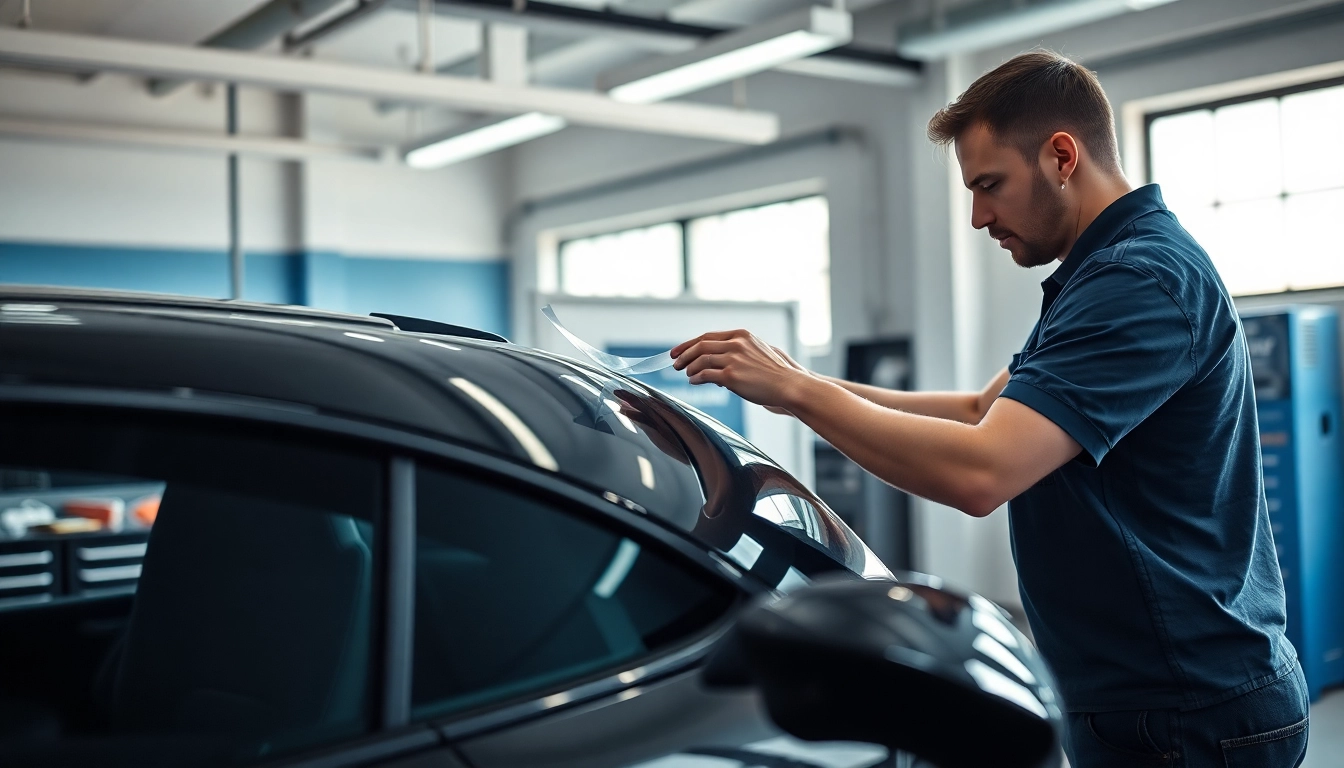
Enhance your vehicle’s style with the best window tint Chattanooga TN that offers protection and aesthetics.

Expert Benefits of the Best Window Tint Chattanooga TN for Your Vehicle

Understanding Window Tinting

What is Window Tinting?

Window tinting is a process that involves applying a thin film to the glass of vehicles or buildings. This film is designed to reduce glare, enhance privacy, and block harmful UV rays. The application of window tint not only alters the aesthetics of a vehicle but also significantly improves comfort levels for the occupants. Most importantly, in regions like Chattanooga, TN, the quality and type of window tint you choose can play a crucial role in your daily driving experience.

How Window Tint Works

Window tint works by using a combination of metalized materials and dyes that reflect or absorb heat and light. When sunlight hits the tinted glass, these materials work to minimize the amount of heat that enters the car or building. As a result, this helps in maintaining a comfortable temperature inside while reducing the need for air conditioning. Additionally, window tint helps to protect the interior materials and upholstery from fading due to prolonged exposure to the sun’s rays.

Types of Window Tint

There are several types of window tints available, each offering different benefits:

  • Dyed Window Film: This is the most affordable and commonly used type. It utilizes color dye to reduce glare and offers a basic level of privacy.
  • Metalized Window Film: This film contains metal particles that provide excellent heat rejection and UV protection while also making windows shatter-resistant.
  • Ceramic Window Film: Made with ceramic materials, this type offers superior heat reduction without affecting visibility. It’s the most durable and effective in blocking UV rays.
  • Hybrid Films: Combining dyed and metalized films, hybrid options provide a balance of performance and affordability.

Benefits of Window Tint

Why Choose the Best Window Tint Chattanooga TN?

Choosing the best window tint Chattanooga TN for your vehicle or property offers numerous benefits, making it a wise investment for both comfort and aesthetic appeal. Not only does it enhance the look of your vehicle, but high-quality tint provides superior protection against the sun’s harsh rays, contributing to the longevity of your vehicle’s interior surfaces and enhancing resale value.

Protection from UV Rays

One of the primary benefits of window tint is its ability to block harmful ultraviolet (UV) rays. Prolonged exposure to UV rays can lead to skin damage and increase the risk of skin cancer. A quality window tint can block up to 99% of UV radiation, significantly reducing these risks. Moreover, it protects your vehicle’s interior from fading, cracking, and deterioration, ensuring your investment stands the test of time.

Heat Reduction and Comfort

Window tint significantly reduces the temperature inside your vehicle or home. This heat reduction not only enhances comfort but also decreases the reliance on air conditioning, improving fuel efficiency in vehicles and reducing energy costs in buildings. On a hot day, window tint can lower the interior temperature by several degrees, making it far more comfortable during the sweltering summer months in Tennessee.

Choosing the Right Window Tint for Your Needs

Factors to Consider When Selecting

When selecting window tint, several factors should be taken into account:

  • VLT (Visible Light Transmission): This refers to the percentage of visible light that can penetrate through the tint. Depending on personal preference and local laws, a suitable VLT level should be determined.
  • Legal Regulations: Different states, including Tennessee, have specific regulations regarding the allowable darkness and reflectivity of window tints. Ensure compliance with these laws.
  • Purpose: Consider whether the primary goal is aesthetics, heat rejection, UV protection, or a combination of these factors.

Local Regulations on Tinting

It’s essential to understand local laws regarding window tinting to avoid fines and ensure safety. In Tennessee, the law outlines specific limitations for the level of tint permissible on vehicles. For instance, the front windshield must allow at least 70% of light in, while the rear and side windows can be tinted darker.

Professional Installation vs. DIY

While some might consider a DIY approach to window tinting, professional installation comes with a plethora of advantages. Professionals ensure that the tint is applied smoothly and correctly, which helps prevent issues like bubbles and peeling. Moreover, professionals usually offer warranties for their work, providing added peace of mind. DIY kits may seem beneficial due to the cost saving, but the risk of improper application far outweighs the benefits.

Maintenance of Window Tint

Care Tips for Longevity

Maintaining window tint is straightforward, but certain practices can maximize its lifespan:

  • Use a soft microfiber cloth for cleaning to prevent scratches.
  • Avoid ammonia-based cleaning products, as they can degrade the tint over time.
  • Allow for a curing time as instructed post-installation, to ensure proper adhesion of the tint.

Common Issues with Window Tint

Despite its many benefits, window tint can face issues over time:

  • Bubbles: Usually appear when the application wasn’t done correctly or if moisture gets trapped.
  • Peeled Edges: Often due to inadequate cutting during the installation process or exposure to extreme conditions.
  • Discoloration: A sign of low-quality tint that could be exacerbated by constant sun exposure.

How to Resolve Tint Problems

To address issues like bubbles, it’s advisable to seek professional help. They can either reapply the tint or correct imperfections. For discolored or peeling tint, removal is typically necessary, followed by a replacement with a higher quality film. Regular inspections can help catch these issues early, allowing for timely interventions.

FAQs About Window Tinting

What is the best window tint for cars?

The best window tint for cars usually includes ceramic films due to their superior heat rejection, UV protection, and durability. They often come with a lifetime warranty and do not interfere with electronic devices.

How long does window tint last?

Quality window tints can last anywhere from 5 to 15 years, depending on the type of film used and maintenance practices. Professionally installed tints generally have longer lifespans than DIY applications.

Is window tinting worth the cost?

Yes, window tinting is worth the cost due to its multitude of benefits, including UV protection, heat reduction, and enhanced vehicle aesthetics, which altogether justify the investment.

Can I wash my car after tinting?

It’s recommended to wait at least a week before washing your car after tinting to allow the film to set properly. When it’s time, use a touchless car wash to avoid damaging the tint.

Does window tint reduce visibility at night?

Modern high-quality window tints are designed to minimize night vision issues. The right tint can maintain adequate visibility by allowing sufficient light in while blocking excessive glare.

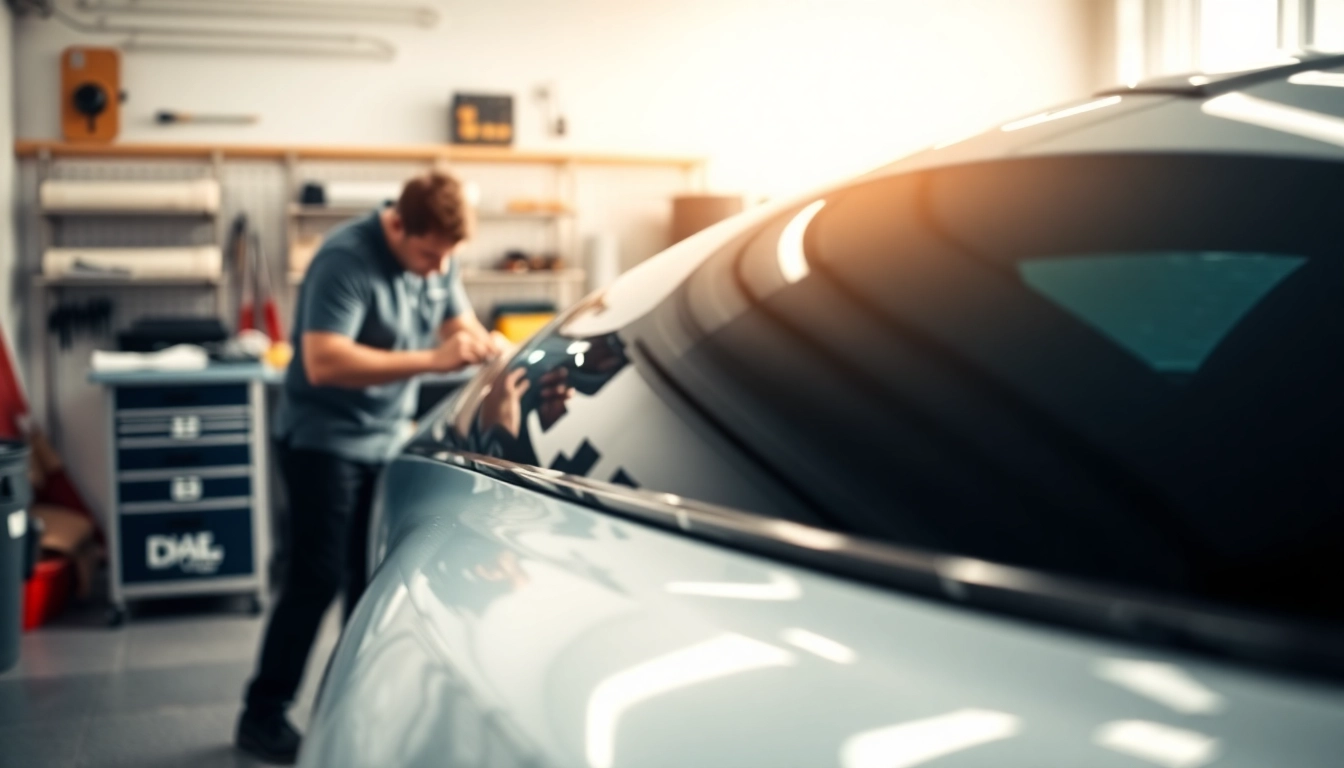
Applying paint protection film near me on a sleek car in a professional workspace.

Why Choosing Paint Protection Film Near Me is Essential for Your Vehicle’s Longevity

Understanding Paint Protection Film Near Me

What is Paint Protection Film?

Paint Protection Film (PPF), also known as clear bra, is a polyurethane film applied over the painted surfaces of a vehicle to protect against scratches, chips, and environmental contaminants. This transparent film is designed to absorb the impact of road debris and withstand the harsh effects of UV rays, dirt, and moisture. By acting as a barrier, it helps to maintain the vehicle’s aesthetic appeal and resale value, making it a sought-after solution for car enthusiasts and everyday drivers alike. If you’re searching for paint protection film near me, understanding what PPF offers can significantly impact your decision-making process.

Benefits of Using Paint Protection Film

Investing in paint protection film comes with a multitude of benefits:

  • Protection Against Physical Damage: PPF shields your vehicle’s paint from scratches, stone chips, and minor abrasions caused by debris on the road.
  • UV Protection: This film helps prevent fading and oxidation caused by prolonged exposure to sunlight, keeping your paint looking new for longer.
  • Self-Healing Properties: Many modern PPFs have self-healing capabilities that allow minor scratches to vanish when exposed to heat.
  • Easier Maintenance: Keeping your car clean is more straightforward, as the smooth surface of the film makes dirt and grime less likely to adhere.
  • Increased Resale Value: Vehicles with well-maintained paint often fetch higher resale prices, making PPF a smart investment.

Common Misconceptions

While the benefits are clear, several misconceptions surround paint protection film:

  • It’s Only for Luxury Cars: Many people believe PPF is exclusive to high-end vehicles, but it’s valuable for all car types.
  • Installation is Overly Complicated: Although professional installation is recommended, many find they can learn to apply it themselves with proper guidance.
  • It Yellowing Over Time: Modern films are designed to resist yellowing, ensuring clarity and longevity.

Choosing the Right Paint Protection Film Near Me

Types of Paint Protection Films

When looking for paint protection film, you may encounter different types targeted toward specific needs:

  • Standard Films: These films provide solid protection against scratches and UV exposure.
  • Self-Healing Films: Utilizing advanced technology, these films can heal minor scratches when exposed to heat.
  • Matte Finish Films: Ideal for vehicles with matte paint, these clear films maintain the matte finish while providing protection.
  • Thermal Protection Films: These specially formulated films provide additional thermal resistance, beneficial in extreme weather conditions.

Key Features to Consider

When selecting paint protection film, keep the following features in mind:

  • Thickness: A thicker film typically offers better protection against impacts and scratches.
  • Clarity: Choose a film that maintains the original appearance of your vehicle.
  • Warranty: Reputable brands often offer warranties, ensuring durability and performance.
  • Ease of Installation: Consider whether you are installing it yourself or using a professional; some films are easier to handle than others.

How to Find Quality Installers

Finding a professional installer for paint protection film can make a significant difference in longevity and effectiveness:

  • Research Local Shops: Use online directories or forums to find reviews and recommendations.
  • Check Certifications: Ensure that the installers have certifications from reputable PPF manufacturers.
  • Ask for Portfolios: Look at previous work to judge the quality of installations.
  • Inquire About Warranty: A strong warranty indicates confidence in their services and products.

Installation Process of Paint Protection Film Near Me

Preparing Your Vehicle

Before installation, preparing your vehicle is crucial for the best results:

  • Make sure your vehicle is thoroughly washed and dried.
  • Inspect the paint for any imperfections that need addressing prior to installation.
  • Consider detailing the surface to increase adhesion of the film.

Step-by-Step Installation Guide

The installation process can be divided into the following steps:

  1. Measure and Cut: Measure the area to be covered and cut the film accordingly, allowing extra for adjustments.
  2. Apply Solution: Use a solution of water and soap as a lubricant to help the film slide into place without creasing.
  3. Position the Film: Carefully position the film to cover the intended areas, ensuring alignment.
  4. Squeegee Excess Water: Starting from the center, use a squeegee to remove air bubbles and excess water, working your way outwards.
  5. Trim Excess Film: Once the film is secure, trim away any overlapping edges for a clean finish.
  6. Heat Treatment: For self-healing films, heat the surface to activate the self-healing properties any time minor imperfections appear.

Post-Installation Care Tips

Proper care after the film is applied is vital for longevity:

  • Avoid washing your car for at least 48 hours after installation to ensure the film adheres properly.
  • Use a soft cloth or microfiber towel for cleaning to prevent scratches.
  • Incorporate a maintenance regime that prevents contamination, such as regular washes and the application of ceramic coatings.

Costs and Value Analysis of Paint Protection Film Near Me

Cost Overview

The cost of paint protection film can vary widely based on several factors, including:

  • Type of film selected
  • Size of the vehicle
  • Extent of coverage (full vs. partial)
  • Labor costs of installation

On average, the investment can range from a few hundred to several thousand dollars, depending on these variables.

Factors Influencing Price

Several elements may influence the overall pricing structure for paint protection film:

  • Material Quality: Higher-quality films often come at a premium but offer better performance and longevity.
  • Professional Installation vs. DIY: Choosing a professional service generally raises the price due to labor costs.
  • Market Demand: Prices may fluctuate based on local demand and competition among installers.

Return on Investment for Vehicle Protection

While the initial cost may seem significant, the long-term benefits often outweigh these upfront expenses:

  • Protects the vehicle’s resale value, which can be a significant saving over time.
  • Minimizes the need and costs for paint repairs and repaints.
  • Reduces overall maintenance expense by making the surface easier to clean.

Frequently Asked Questions about Paint Protection Film Near Me

How long does paint protection film last?

Paint protection film can last between 5 to 10 years, depending on the quality of the film and how well it’s maintained.

Can I wash my car after the film is applied?

It’s advised to wait at least 48 hours before washing your car to allow the film to adhere properly.

Is paint protection film safe for all car finishes?

Yes, paint protection film is safe for all factory paint finishes and helps preserve their integrity.

What happens if the film gets damaged?

If the film gets damaged, most quality films can be replaced or repaired without affecting the underlying paint.

Can I remove paint protection film myself?

While it’s possible to remove PPF yourself, it’s advisable to have it done professionally to avoid damaging the paint.