
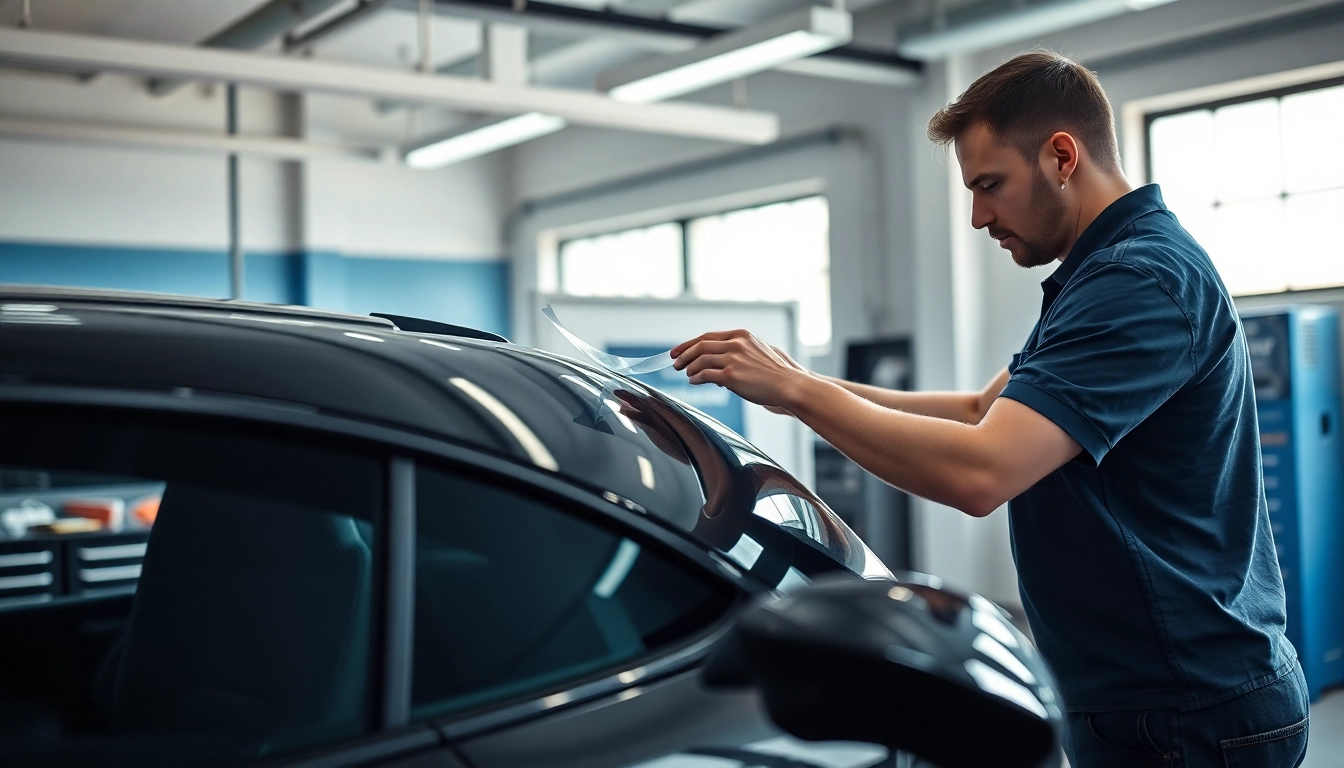
Understanding Window Tinting
What is Window Tinting?
Window tinting is a process that involves applying a thin film to the glass of vehicles or buildings. This film is designed to reduce glare, enhance privacy, and block harmful UV rays. The application of window tint not only alters the aesthetics of a vehicle but also significantly improves comfort levels for the occupants. Most importantly, in regions like Chattanooga, TN, the quality and type of window tint you choose can play a crucial role in your daily driving experience.
How Window Tint Works
Window tint works by using a combination of metalized materials and dyes that reflect or absorb heat and light. When sunlight hits the tinted glass, these materials work to minimize the amount of heat that enters the car or building. As a result, this helps in maintaining a comfortable temperature inside while reducing the need for air conditioning. Additionally, window tint helps to protect the interior materials and upholstery from fading due to prolonged exposure to the sun’s rays.
Types of Window Tint
There are several types of window tints available, each offering different benefits:
- Dyed Window Film: This is the most affordable and commonly used type. It utilizes color dye to reduce glare and offers a basic level of privacy.
- Metalized Window Film: This film contains metal particles that provide excellent heat rejection and UV protection while also making windows shatter-resistant.
- Ceramic Window Film: Made with ceramic materials, this type offers superior heat reduction without affecting visibility. It’s the most durable and effective in blocking UV rays.
- Hybrid Films: Combining dyed and metalized films, hybrid options provide a balance of performance and affordability.
Benefits of Window Tint
Why Choose the Best Window Tint Chattanooga TN?
Choosing the best window tint Chattanooga TN for your vehicle or property offers numerous benefits, making it a wise investment for both comfort and aesthetic appeal. Not only does it enhance the look of your vehicle, but high-quality tint provides superior protection against the sun’s harsh rays, contributing to the longevity of your vehicle’s interior surfaces and enhancing resale value.
Protection from UV Rays
One of the primary benefits of window tint is its ability to block harmful ultraviolet (UV) rays. Prolonged exposure to UV rays can lead to skin damage and increase the risk of skin cancer. A quality window tint can block up to 99% of UV radiation, significantly reducing these risks. Moreover, it protects your vehicle’s interior from fading, cracking, and deterioration, ensuring your investment stands the test of time.
Heat Reduction and Comfort
Window tint significantly reduces the temperature inside your vehicle or home. This heat reduction not only enhances comfort but also decreases the reliance on air conditioning, improving fuel efficiency in vehicles and reducing energy costs in buildings. On a hot day, window tint can lower the interior temperature by several degrees, making it far more comfortable during the sweltering summer months in Tennessee.
Choosing the Right Window Tint for Your Needs
Factors to Consider When Selecting
When selecting window tint, several factors should be taken into account:
- VLT (Visible Light Transmission): This refers to the percentage of visible light that can penetrate through the tint. Depending on personal preference and local laws, a suitable VLT level should be determined.
- Legal Regulations: Different states, including Tennessee, have specific regulations regarding the allowable darkness and reflectivity of window tints. Ensure compliance with these laws.
- Purpose: Consider whether the primary goal is aesthetics, heat rejection, UV protection, or a combination of these factors.
Local Regulations on Tinting
It’s essential to understand local laws regarding window tinting to avoid fines and ensure safety. In Tennessee, the law outlines specific limitations for the level of tint permissible on vehicles. For instance, the front windshield must allow at least 70% of light in, while the rear and side windows can be tinted darker.
Professional Installation vs. DIY
While some might consider a DIY approach to window tinting, professional installation comes with a plethora of advantages. Professionals ensure that the tint is applied smoothly and correctly, which helps prevent issues like bubbles and peeling. Moreover, professionals usually offer warranties for their work, providing added peace of mind. DIY kits may seem beneficial due to the cost saving, but the risk of improper application far outweighs the benefits.
Maintenance of Window Tint
Care Tips for Longevity
Maintaining window tint is straightforward, but certain practices can maximize its lifespan:
- Use a soft microfiber cloth for cleaning to prevent scratches.
- Avoid ammonia-based cleaning products, as they can degrade the tint over time.
- Allow for a curing time as instructed post-installation, to ensure proper adhesion of the tint.
Common Issues with Window Tint
Despite its many benefits, window tint can face issues over time:
- Bubbles: Usually appear when the application wasn’t done correctly or if moisture gets trapped.
- Peeled Edges: Often due to inadequate cutting during the installation process or exposure to extreme conditions.
- Discoloration: A sign of low-quality tint that could be exacerbated by constant sun exposure.
How to Resolve Tint Problems
To address issues like bubbles, it’s advisable to seek professional help. They can either reapply the tint or correct imperfections. For discolored or peeling tint, removal is typically necessary, followed by a replacement with a higher quality film. Regular inspections can help catch these issues early, allowing for timely interventions.
FAQs About Window Tinting
What is the best window tint for cars?
The best window tint for cars usually includes ceramic films due to their superior heat rejection, UV protection, and durability. They often come with a lifetime warranty and do not interfere with electronic devices.
How long does window tint last?
Quality window tints can last anywhere from 5 to 15 years, depending on the type of film used and maintenance practices. Professionally installed tints generally have longer lifespans than DIY applications.
Is window tinting worth the cost?
Yes, window tinting is worth the cost due to its multitude of benefits, including UV protection, heat reduction, and enhanced vehicle aesthetics, which altogether justify the investment.
Can I wash my car after tinting?
It’s recommended to wait at least a week before washing your car after tinting to allow the film to set properly. When it’s time, use a touchless car wash to avoid damaging the tint.
Does window tint reduce visibility at night?
Modern high-quality window tints are designed to minimize night vision issues. The right tint can maintain adequate visibility by allowing sufficient light in while blocking excessive glare.