
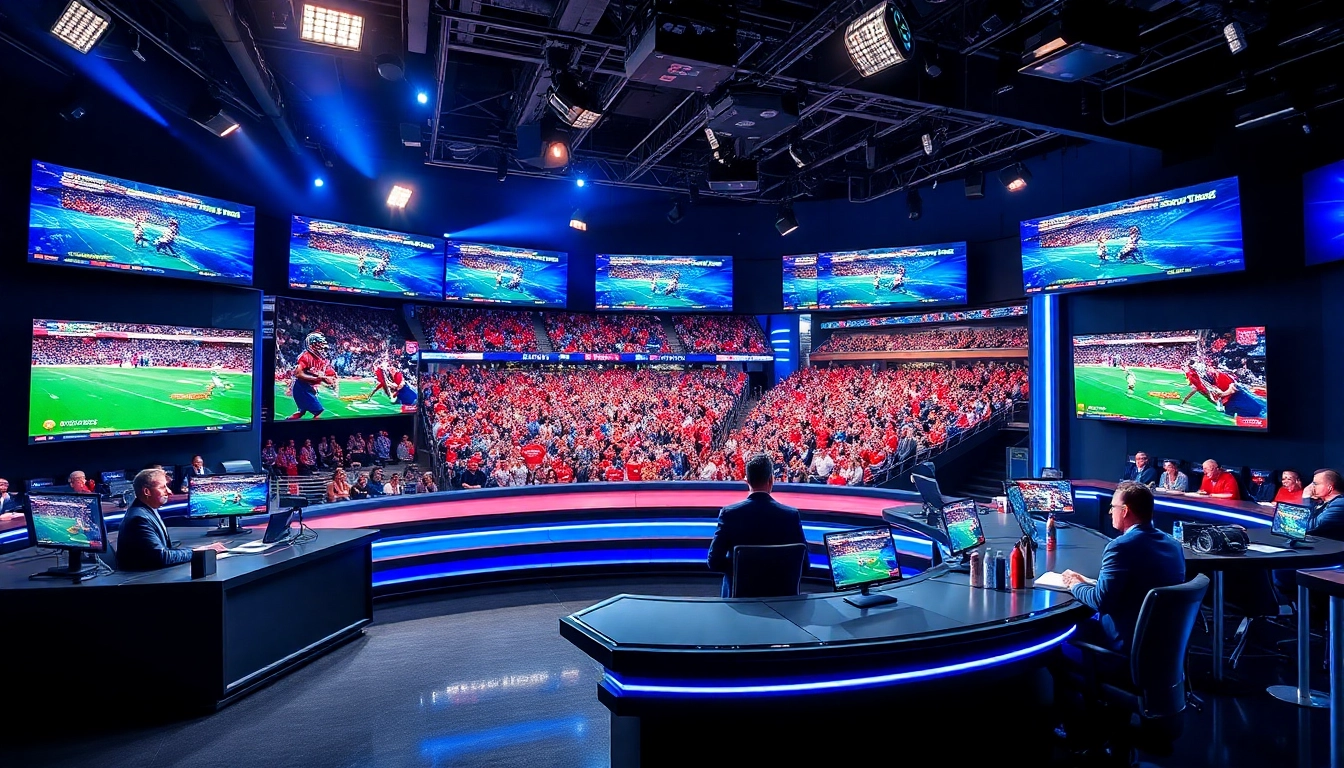
Understanding Sports Broadcasting
Definition and Importance
Sports broadcasting refers to the live transmission of sports events through various media channels, including television, radio, and online platforms. This essential aspect of the entertainment industry serves not only to inform but also to engage fans worldwide. As audiences increasingly crave real-time, immersive experiences, the role of sports broadcasting has expanded, becoming a critical tool for connecting fans with their favorite sports, teams, and athletes. By utilizing innovations in technology, sports broadcasters can enhance viewer satisfaction and expand their audience reach, proving that effective broadcasting strategies are indispensable in today’s media landscape. For deeper insights into the world of Sports Broadcasting, it’s vital to examine its evolution and the driving forces behind its growth.
The Evolution of Sports Broadcasting
Sports broadcasting has undergone a remarkable evolution since its inception. Initially, sporting events were relayed via radio during the early 20th century. The introduction of television in the 1950s marked a significant turning point, allowing fans to watch events live from the comfort of their homes. This shift democratized sports viewership and propelled the popularity of major sporting leagues.
Throughout the decades, several innovations have transformed how sporting events are broadcast. The advent of cable and satellite television in the 1980s expanded the number of accessible channels, leading to specialized sports networks that offered dedicated coverage for a plethora of sports and competitions. More recently, the rise of the internet and streaming services has introduced a new era of broadcasting, providing fans with unprecedented access to games and enriching their viewing experiences through interactive features and on-demand content.
Key Players in the Industry
The sports broadcasting field comprises various stakeholders, including networks, streaming platforms, sports leagues, and advertisers. Major television networks—such as ESPN, NBC Sports, and CBS—dominate the traditional broadcasting landscape. Meanwhile, digital platforms like Hulu, Netflix, and sports-specific services like DAZN have reshaped the competitive environment, catering to evolving viewer preferences.
Sports leagues, such as the NFL, NBA, and FIFA, play a significant role in shaping broadcasting strategies. By negotiating lucrative broadcasting rights, they secure substantial revenue, which often translates to improved player salaries and team investments. Furthermore, advertisers and sponsors contribute financially to the ecosystem by funding broadcasts and increasing brand exposure during high-viewership events.
Different Formats of Sports Broadcasting
Live Telecasts and Streaming Services
Live telecasts are the traditional form of sports broadcasting, relying on network and cable television to deliver real-time action to audiences. This format typically attracts viewers who prefer watching events as they unfold, experiencing the excitement of live commentary and instant replays. The impact of high-definition (HD) and ultra-high-definition (UHD) broadcasts has enhanced viewing experiences, offering crisp image quality that captures every detail of the game.
In contrast, streaming services have disrupted the conventional broadcasting model, providing on-demand access to sports events through the internet. This flexibility allows viewers to watch their favorite sports anytime, anywhere, without being tied to specific broadcast times. Popular streaming platforms often incorporate advanced features, such as multi-screen viewing options and personalized content recommendations, tailoring the viewing experience to individual preferences.
Radio Broadcast vs. Television
While television has become the dominant medium for sports broadcasting, radio remains relevant, particularly for dedicated listeners who rely on audio commentary. The immediacy of radio broadcasts enables fans to stay updated on live events, providing in-depth analysis and insights that complement visual coverage.
Radio broadcasts serve unique audiences, often reaching commuters or those unable to access visual media. Additionally, radio coverage may capture local sports and smaller events that might not receive national television coverage, creating a niche market for dedicated sports listeners.
Digital Platforms and Social Media
The rise of digital platforms and social media has revolutionized sports broadcasting, offering new opportunities for engagement and content dissemination. Social media platforms like Twitter, Facebook, and Instagram enable sports networks to share highlights, behind-the-scenes content, and athlete interviews in real time, fostering interactive conversations with viewers.
Digital platforms also facilitate user-generated content and fan participation through contests, polls, and live chats, enhancing overall viewer experience. As younger demographics increasingly consume content through these channels, sports broadcasters must adapt by prioritizing digital engagement strategies to remain relevant in an ever-evolving media landscape.
Best Practices for Sports Broadcasting
Engagement Strategies for Viewers
Achieving viewer engagement in sports broadcasting requires a multifaceted approach. Broadcasters must create captivating content that resonates with their target audiences. This includes promoting interactive elements such as live polls, Q&A sessions, and social media challenges that encourage fan participation. By fostering a community atmosphere, sports broadcasters can strengthen loyalty and generate a devoted viewership.
Effective storytelling is also crucial for engaging audiences. Broadcasters should focus on narratives that highlight players’ journeys, team dynamics, and dramatic moments in sports history. When audiences feel emotionally connected to the storylines, their interest in live broadcasts will naturally increase.
Utilizing Technology for Enhanced Coverage
Leveraging technology is vital in enhancing sports broadcasting. Advanced tools like augmented reality (AR) and virtual reality (VR) provide immersive viewing experiences that can transport fans into the game. These technologies allow audiences to explore stadiums, interact with player statistics, and visualize play strategies as if they were live participants.
Furthermore, incorporating real-time data analytics can improve commentary quality and enrich audience understanding of complex plays. Delivering data-driven insights can highlight key statistics and trends, adding depth to the viewing experience and elevating audience enjoyment.
Content Creation and Audience Interaction
Content creation extends beyond merely broadcasting events; it involves generating supplementary content that appeals to fans. Think of engaging pre-game and post-game analyses, interviews with athletes and coaches, and even documentaries that delve into the sports culture.
Encouraging audience interaction through social media platforms can amplify fan enthusiasm and engagement. Broadcasters can initiate conversations, ask for viewer opinions, and host livestreaming sessions featuring notable guests. Creating this sense of community can drastically enhance overall viewer loyalty and increase viewership over time.
Performance Metrics in Sports Broadcasting
Understanding Audience Ratings
Audience ratings are critical indicators that measure the viewership of sports broadcasts. These metrics inform networks and advertisers about the popularity of specific events or channels. Ratings are primarily captured through technology-driven systems that track viewer habits, such as Nielsen ratings.
Understanding audience ratings helps broadcasters tailor their programming strategies, optimizing schedules according to peak viewership times. Higher ratings often lead to enhanced advertising opportunities, increased revenue, and a focus on successful content strategies, ultimately resisting viewer attrition.
Analyzing Viewer Engagement
Beyond mere viewership numbers, it’s essential to comprehend viewer engagement levels. Metrics such as average watch time, social media interactions, and audience testimonials offer insight into how viewers connect with broadcasts. Tools like Google Analytics can analyze online engagement, while social media monitoring tools can track mentions, likes, and shares of broadcast content.
By analyzing these indicators, broadcasters can modify their programming to better align with audience preferences, identifying what resonates most and what adjustments could enhance the viewing experience.
Optimizing Broadcast Strategies Based on Metrics
Performance metrics provide actionable insights for optimizing broadcasting strategies. Broadcasters should continually analyze audience data to identify trends, preferences, and behaviors. This can lead to more informed decision-making regarding content creation, scheduling, and promotional strategies, ultimately enhancing viewer satisfaction and retention.
Broadcasters must also be adept at pivoting their approach based on audience feedback. For instance, dissecting engagement rates on social media can reveal the success or shortcomings of various segments. Using this data, content can be sculpted to appeal to existing audiences while attracting new fans, ensuring growth in an increasingly competitive broadcasting environment.
Future Trends in Sports Broadcasting
Impact of Streaming Services
Streaming services are reshaping the future of sports broadcasting, offering flexibility and diverse content choices that traditional television cannot match. The shift towards customizable viewing experiences means that audiences can select specific sports events, highlights, and related programming suited to their interests. This trend leads to increasingly high competition to develop better platforms and formats that cater to viewer demands.
Moreover, the global reach of streaming platforms allows even niche sports to gain exposure, equally distributing viewership across various sports types. Broadcasters must adapt their strategies to stay relevant in this crowded environment and consider forming partnerships with popular streaming platforms to capture a broader audience.
Emerging Technologies in Broadcasting
Technological advancements continuously drive innovation in sports broadcasting. Artificial Intelligence (AI) and machine learning are revolutionizing how content is created and distributed. AI-powered analysis tools can provide insights into athletic performances, automatically generate highlights, and even create personalized content recommendations based on individual viewer preferences.
Additionally, drone technology offers unique broadcasting angles and perspectives, enhancing the overall viewing experience. These innovative technologies promise to elevate the quality of sports broadcasting, capturing more captivating and diverse content than ever before.
The Future of Interactive and Immersive Experiences
The future of sports broadcasting lies in creating interactive and immersive experiences for viewers. Virtual reality and augmented reality technologies can redefine how fans engage with sports events, providing realistically simulated environments that place them front and center in the action. This experimentation with cutting-edge tech is set to draw in younger audiences seeking unique and engaging ways to experience sports.
Furthermore, integrating interactive game elements—such as live betting, multiplayer viewing experiences, and accessible supplementary content—will redefine the broadcast landscape, fostering active participation and enhancing viewer satisfaction.
FAQs
What is sports broadcasting?
Sports broadcasting is the live transmission of sports events via television, radio, or digital platforms, aimed at informing and entertaining viewers.
How has sports broadcasting evolved?
The industry has evolved from traditional terrestrial broadcasts to cable, satellite, and online streaming, enhancing accessibility and viewer engagement.
What are the key formats of sports broadcasting?
Key formats include live telecasts, radio broadcasts, and digital streaming, catering to different audience preferences and technological advancements.
What metrics are important in sports broadcasting?
Important metrics include audience ratings, viewer engagement levels, and social media interactions, which help optimize broadcasting strategies.
What trends are shaping the future of sports broadcasting?
Future trends include increased streaming service availability, integration of interactive technologies, and development of immersive viewing experiences.